What’s the Difference?
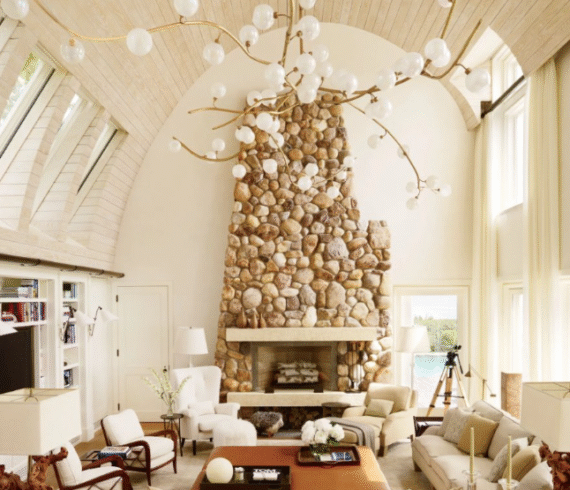
Vaulted Ceilings: Characterized by their arched or curved shape. While the term “vaulted ceiling” can encompass other shapes like domes or barrel vaults, an arched ceiling fits the general definition of a ceiling that slopes upward, often following the roofline, and creates a sense of spaciousness.
Cathedral Ceilings: A vaulted ceiling and a cathedral ceiling both increase ceiling height, but a cathedral ceiling is a specific type of vaulted ceiling that features symmetrical, sloping sides that mirror the roofline.

Design Techniques
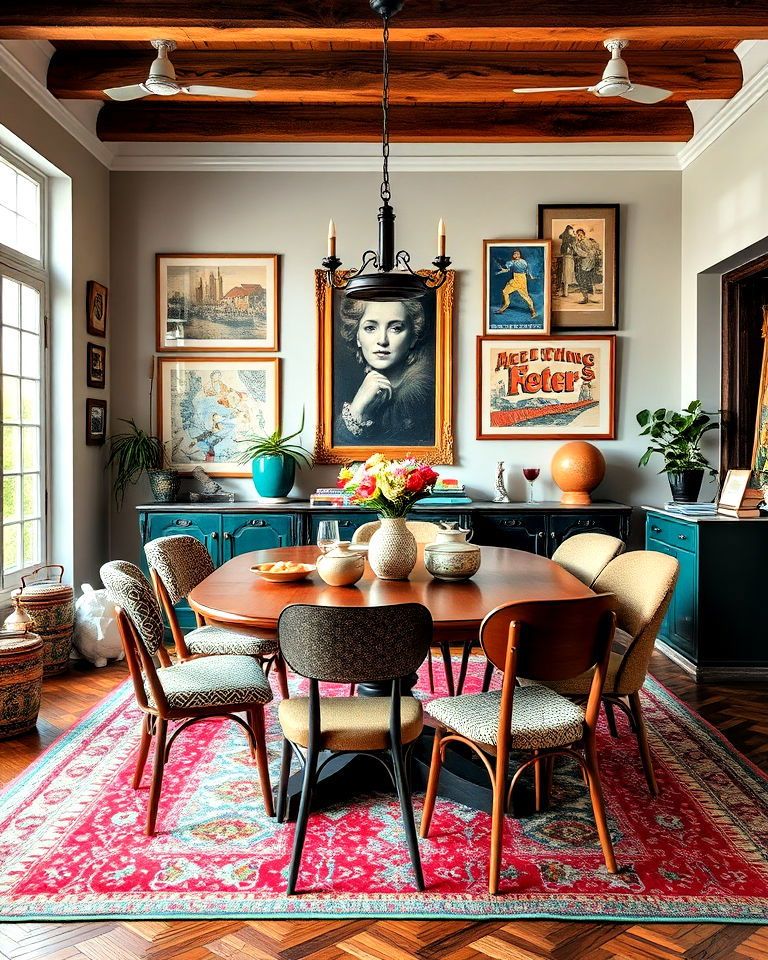
Faux & Real Wooden Beams are a designer’s secret weapon for vaulted ceilings—they add warmth, character, and architectural definition.
- Faux wood beams capture the beauty of timber with a lighter, more versatile approach. Their easy installation, resistance to warping, and ability to conceal wiring make them a wise choice for adding architectural charm without the structural demands.
- Real wood beams, however, offer an undeniable authenticity—the warmth of natural grain, the character that deepens with age, and, when engineered correctly, the strength to provide proper structural support. While they require greater investment and care, their timeless appeal can transform a vaulted ceiling into a stunning focal point.


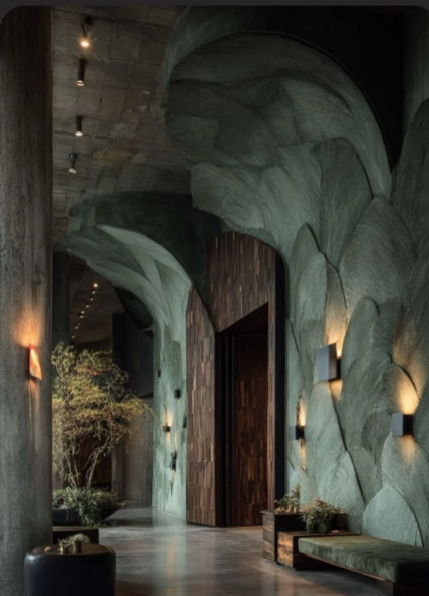
A variety of materials like barn wood, shiplap, metal, wallpaper and even paint add a huge, dramatic effect. Consider tongue and groove (T&G) paneling, timber framing, concrete, plaster, moldings, reliefs or other decorative details too.

Specialty lighting is a must. Vaulted/cathedral ceilings offer opportunities for creative lighting solutions, such as recessed lighting, pendant lights, chandeliers or accent lighting. Consider up-lighting, accent lighting and even skylights to enhance the space and add visual interest.
- Recessed lights are versatile for ambient and task lighting. Adjustable trims or directional lenses allow for precise light control.
- Pendant lights are a great way to add both ambient and focused light. They can be hung at varying heights to create visual interest and accommodate the sloped ceiling. Multiple pendant lights clustered together can create a dramatic visual effect.
- Large chandeliers can serve as a focal point in rooms with vaulted ceilings, adding a touch of elegance and drama.
- Strip lighting or LED tape can be installed along walls or rafters to bounce light off the ceiling, creating a soft, ambient glow.
- Use wall sconces or spotlights to highlight architectural features like exposed beams or natural stone walls.
- Skylights can dramatically increase natural light and reduce reliance on artificial lighting, especially on sloped ceilings.
- Track lighting is another versatile option for vaulted ceilings, allowing for directional light and highlighting specific areas. These can be used in areas where a pendant light isn’t suitable, providing good ambient light without taking up too much space.
- Combining different types of lighting (ambient, task, accent) is crucial for well-lit vaulted ceilings.

Custom cabinetry is one of the best ways to visually connect your vaulted ceiling to the rest of the room. Tall built-ins—whether flanking a fireplace or anchoring a kitchen wall—draw the eye upward and help bridge the gap between floor and ceiling.
Extending upper cabinets to follow the slope of the ceiling maximizes storage but also makes the architecture feel intentional and cohesive. Floor-to-ceiling shelving or display cabinets create an elegant vertical rhythm and give a lofty space a grounded sense of purpose.


At Talie Jane Interiors, we specialize in making these ceilings not just a beautiful backdrop, but a starring feature of your home. Whether your style leans modern, rustic, or transitional, we can tailor every detail to honor your home’s architecture—and your personal style. Contact us at 855-TALIE JANE. We look forward to collaborating with you.
Article by the Talie Jane Interiors team.


.png)