Line
The line is a fundamental design element that defines shapes, creates boundaries and directs visual flow. It can be used in various ways—straight or curved, thick or thin—to evoke different emotions and guide the viewer’s eye.
Horizontal lines often convey stability and calmness, while vertical lines suggest height and strength.
Diagonal lines create a sense of movement and energy. In design, lines are structural and convey rhythm, texture, and depth, making them essential for organizing space and adding dynamic interest to any composition.

Shape

Shape is a key design element that refers to the outline or contour of an object within a design. It can be geometric, like circles, squares, and triangles, or organic, with more irregular and natural forms.
Shapes help establish structure and balance, guiding the viewer’s eye and contributing to the visual flow of a composition. Depending on their style and usage, they can also evoke specific emotions or meanings. By playing with different shapes, designers can create visual interest, harmony, and a sense of unity within their work.
Color
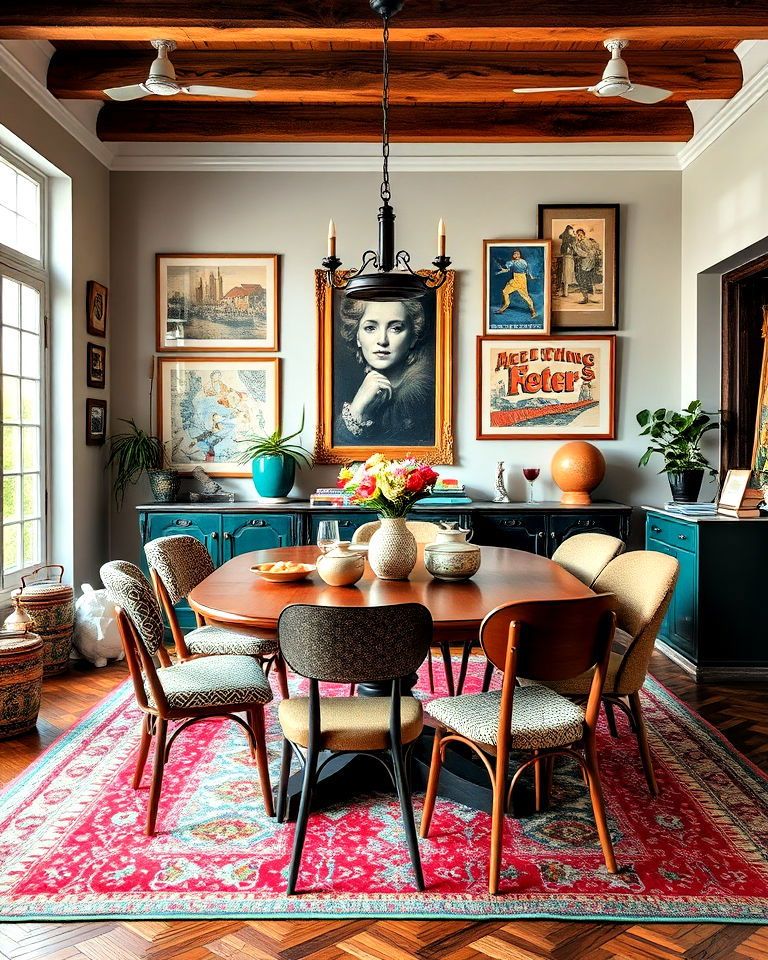
Color is a powerful design element that influences mood, attracts attention, and conveys meaning. It adds vibrancy and depth to any composition, helping to create harmony or contrast.
Warm colors like red, orange, and yellow evoke energy and warmth, while cool colors like blue, green, and purple are calming and soothing.
In design, color can also symbolize emotions or represent a brand’s identity, making it an essential tool for visual storytelling. The careful combination of colors can create balance, emphasize focal points, and guide the viewer’s experience.

Texture

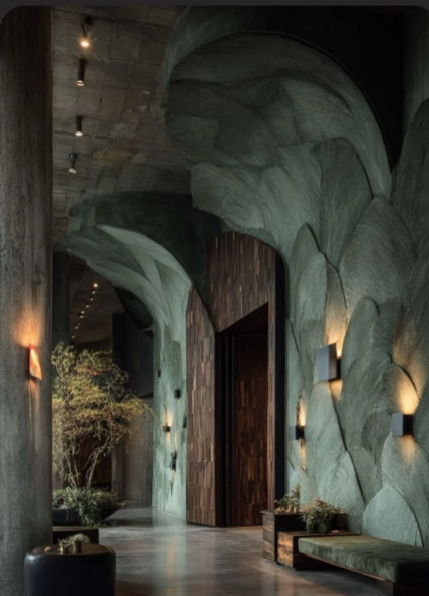
Texture refers to an object’s surface quality or feel, whether real or implied, in a design. It can be tactile, like the roughness of a brick wall, or visual, as seen in patterns or shading that create the illusion of texture.
Texture adds depth, richness, and interest to a design, making it feel more dynamic and engaging. By using texture strategically, designers can evoke specific emotions or enhance the sensory experience, whether it’s a smooth, sleek surface that conveys modernity or a grainy texture that feels rustic and organic.
Space
Space refers to the area around, between, and within elements in a design. It can be positive (filled with content) or negative (empty, unoccupied space), and both play crucial roles in creating balance and clarity.
Effective use of space helps to organize elements, prevent visual clutter, and guide the viewer’s eye through the composition.
Negative space can create a sense of openness, making designs feel less cramped and more breathable, while positive space can focus attention on key features. Carefully managing space is essential for creating harmonious and visually appealing designs.

Form

Form refers to the three-dimensional quality of an object, encompassing its shape, volume, and structure. While shape is two-dimensional, form adds depth, making an object appear solid and tangible.
In design, the form can be used to create a sense of realism, emphasis, and space, whether in physical objects like sculptures and furniture or in graphic design, through the use of shading and perspective.
By manipulating form, designers can evoke different sensations and guide how a viewer interacts with the design, whether it feels heavy, light, geometric, or organic.
Value
Value is used to manipulate the perception of space and mood. Lighter values in colors can make a room feel larger and more open, while darker tones tend to make spaces feel cozier or more intimate.
Whether you’re designing a logo, a website, or a piece of art, understanding how value works within your design will ensure that your message is both effective and visually compelling.


.png)
.jpeg)