Design Myths That Must Die
October 21, 2026

A beautiful space starts with more than just choosing what looks good.

Behind the Design: Why Material Testing Matters
A beautiful space starts with more than just choosing what looks good. It’s about selecting materials that can stand up to real life. From countertops and flooring to fabrics, cabinetry, tile, and finishes, every material we specify has a job to do.
Will it hold up to everyday wear?
How does it handle spills, scratches, heat, moisture, or sunlight?
And perhaps most importantly, will it still look beautiful years from now?
That’s where material testing comes in.
As designers, we consider more than color, texture, and style. We also look closely at durability, performance, maintenance, and how a material will fit into a client’s unique lifestyle. The perfect material isn’t simply the prettiest sample on the table; it’s the one that looks beautiful and works beautifully in your home.
This month, we’re taking you behind the scenes to explore material testing, why it matters, and some of the ways designers put materials to the test before they become part of your finished space.
Putting Fabrics to the Test
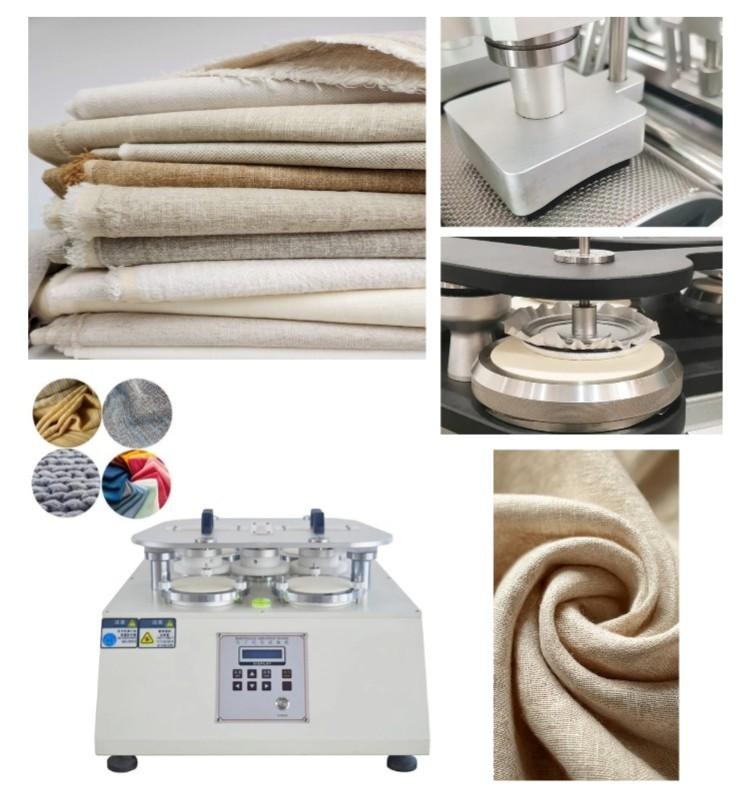
Abrasion testing helps designers understand how well a fabric withstands everyday wear from sitting, sliding, and movement. Two of the most common methods are the Wyzenbeek and Martindale tests, with Wyzenbeek primarily used in North America and Martindale commonly used in Europe and international markets.
Wyzenbeek measures durability in “double rubs,” with around 15,000 generally suitable for residential use and 30,000+ for heavier-use applications.
Martindale uses multidirectional rubbing motion and measures results in cycles, with approximately 20,000+ cycles suitable for residential upholstery and 40,000+ for heavier commercial use.
While higher ratings generally indicate better resistance to wear, the two testing methods should not be directly compared or converted. Abrasion ratings also don’t account for factors such as stains, tears, moisture, or UV fading.
Designers consider these ratings alongside the intended use, frequency of use, and the intended users to select materials that balance beauty with long-lasting performance.
What Is OEKO-TEX® STANDARD 100?
OEKO-TEX® STANDARD 100 is a globally recognized certification that tests textiles for potentially harmful substances. Fabrics and their components, including threads, buttons, zippers, and dyes, are tested against established safety criteria, with stricter requirements for materials that have closer contact with the skin.
For interior designers, this certification is important because material selection goes beyond color, texture, and durability, we also consider what our clients and their families bring into their homes.
Choosing OEKO-TEX® certified textiles can provide added confidence when specifying upholstery, bedding, pillows, window treatments, and other soft furnishings. It allows designers to create spaces that are not only beautiful and functional but also thoughtfully selected for quality, safety, and everyday living.

Outdoor Fabric Testing: Made to Withstand the Elements
Outdoor fabrics face challenges indoor materials don’t, which is why specialized testing matters. These textiles may be tested for UV and fade resistance, moisture, mildew, staining, abrasion, and overall durability to determine how well they withstand sun exposure, changing weather, and everyday use.
For designers, understanding these performance ratings is essential when selecting fabrics for patios, outdoor furniture, cushions, and other exterior spaces. A fabric may look beautiful in a sample, but if it quickly fades, retains moisture, or deteriorates in the sun, it isn’t the right choice for the environment.
Outdoor fabric testing helps designers confidently specify materials that balance beauty, comfort, and performance, creating spaces that continue to look great season after season.

AATCC 16 Colorfastness: Will the Color Last?
AATCC 16 Colorfastness testing measures how well a textile’s color resists fading or changing when exposed to light over time. Fabrics are tested under controlled light conditions to predict how quickly their colors may fade or change.
For designers, this is especially important when selecting upholstery, drapery, and other textiles for rooms with significant natural light.
Here in Lake Tahoe, our high elevation and abundant sunshine can mean more intense UV exposure, making colorfastness an especially important consideration. A fabric may look beautiful when first installed, but if it isn’t suited to a sunny environment, its color can fade or change over time.
Understanding colorfastness helps designers select materials that balance aesthetics with long-term performance, keeping our clients’ spaces beautiful for years to come.
TM215 Soil Release: Standing Up to Everyday Life
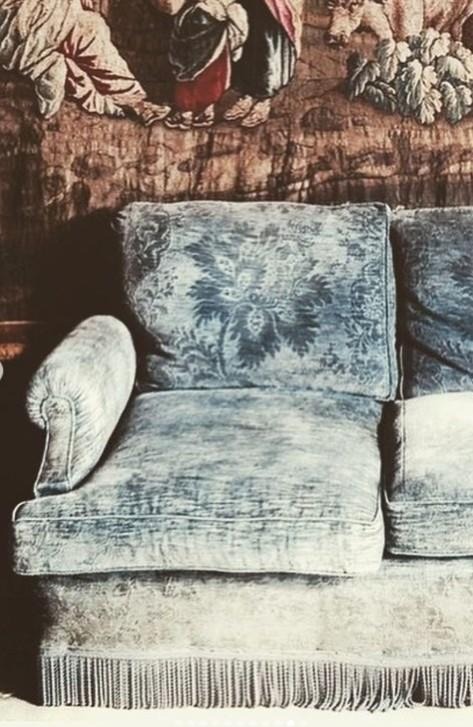
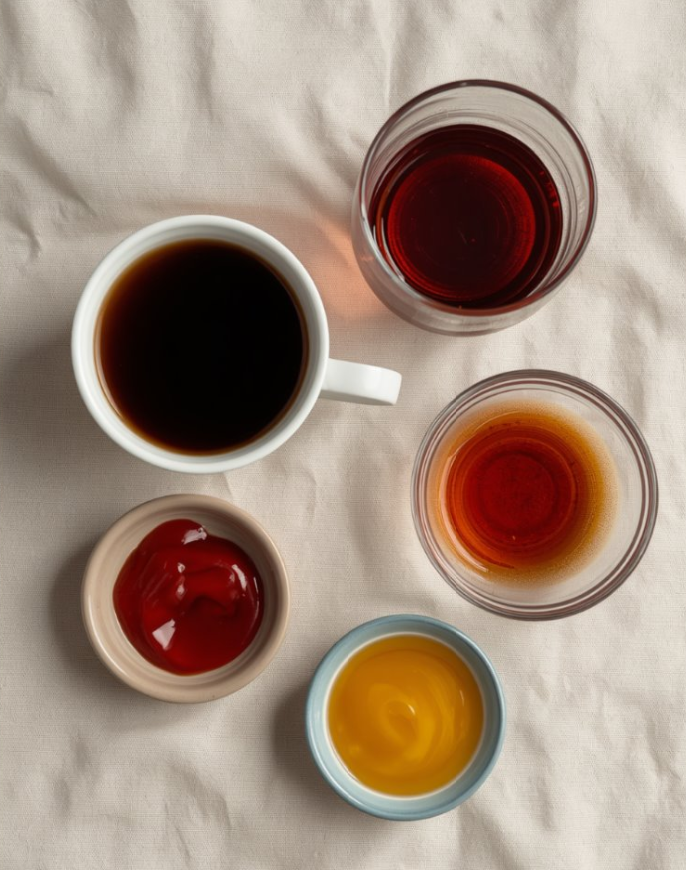
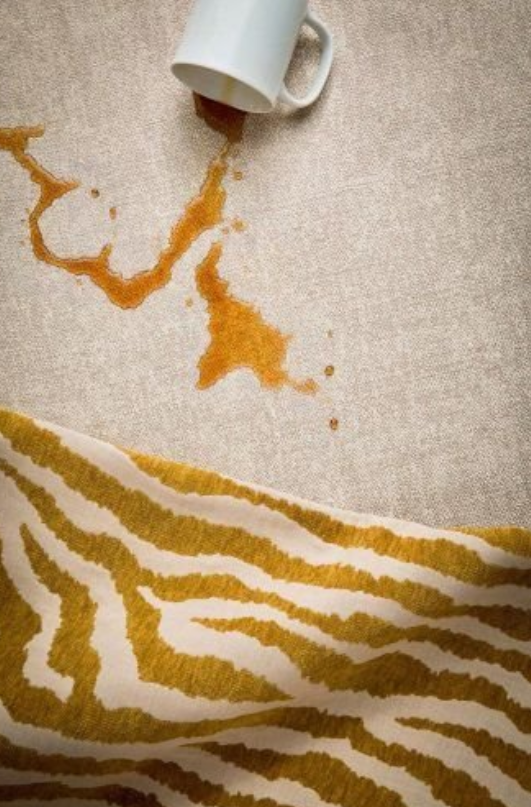
TM215 Soil Release testing evaluates how well a fabric releases common household soils and stains during cleaning. This includes everyday messes that come with real life, food, dirt, oils, and other substances that can find their way onto upholstery. The testing helps determine whether a fabric can be cleaned effectively without leaving noticeable stains or discoloration.
For designers, soil-release performance is especially important when selecting fabrics for high-use areas such as family rooms, dining spaces, and homes with children or pets.
Understanding how a material responds to everyday messes allows designers to choose fabrics that aren't just beautiful but also practical and easier to maintain, helping a thoughtfully designed space continue to look its best through real, everyday living.
Material testing may happen behind the scenes, but it plays a vital role in creating spaces built to last. From abrasion resistance and colorfastness to harmful-substance testing, outdoor performance, and soil release, these standards give designers valuable insight into how materials will perform in real-world conditions.
Great design isn’t just about choosing what looks beautiful; it’s about understanding how those choices will live, wear, and function in a client’s home. By considering lifestyle, environment, durability, and long-term performance alongside aesthetics, designers can thoughtfully select materials that not only look incredible on installation day but also continue to serve their purpose beautifully for years to come.
At the end of the day, a well-designed home should be more than beautiful, it should be designed for living.
For assistance selecting upholstered pieces that are right for your home, contact us at 855-TALIE JANE. We look forward to working with you.
AI
Chat GPT
Stay Up to Date with the Latest Textile Test Methods – AATCC
https://www.oeko-tex.com/en/our-standards/oeko-tex-standard-100/