Through a Designers Eye
Talie Jane Interiors
September 30, 2026

Great design isn't just about beautiful furniture or the latest trends, it's about the thoughtful details that make a space feel effortlessly stylish, functional, and truly yours.
Tip, Tip Hooray!
Great design isn't just about beautiful furniture or the latest trends, it's about the thoughtful details that make a space feel effortlessly stylish, functional, and truly yours. Professional designers rely on a collection of tried-and-true techniques to create rooms with balance, warmth, personality, and flow, and the best part? Many of these ideas are easier to incorporate than you might think.
This month, we're opening our designer playbook and sharing some of our favorite insider tips. Whether you're giving one room a fresh update or planning a whole-home transformation, these simple yet impactful strategies will help you see your space with fresh eyes and create a home that's as beautiful as it is welcoming.
Tip #1: Incorporate Texture
Bring depth to your home
Texture is one of the easiest ways to add warmth, depth, and personality to a space. By layering materials like linen, wood, leather, stone, metal, and woven accents, designers create rooms that feel rich, inviting, and thoughtfully curated rather than flat or one-dimensional.
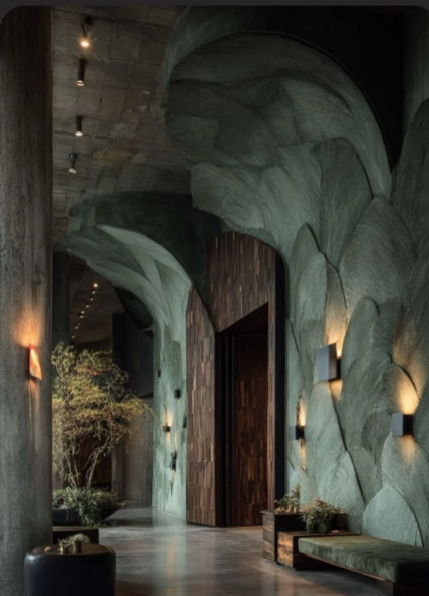
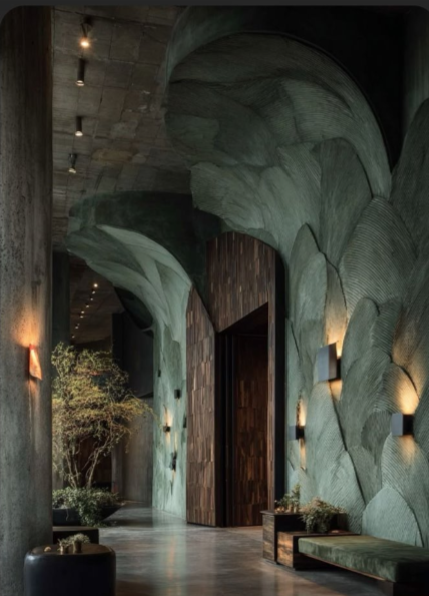
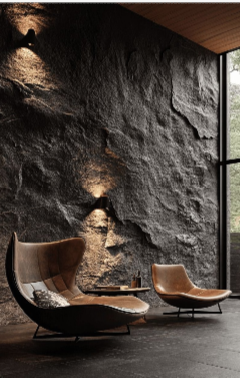
Textures can also be incorporated into your walls through wood slats, Venetian plaster, limewash, wallpaper, stone, or fluted panels. When paired with natural light or carefully placed accent lighting, these surfaces cast beautiful shadows that add dimension and visual interest, making your home feel more dynamic and luxurious.
Tip #2: Use the Third Piece Principal
The finishing touch.
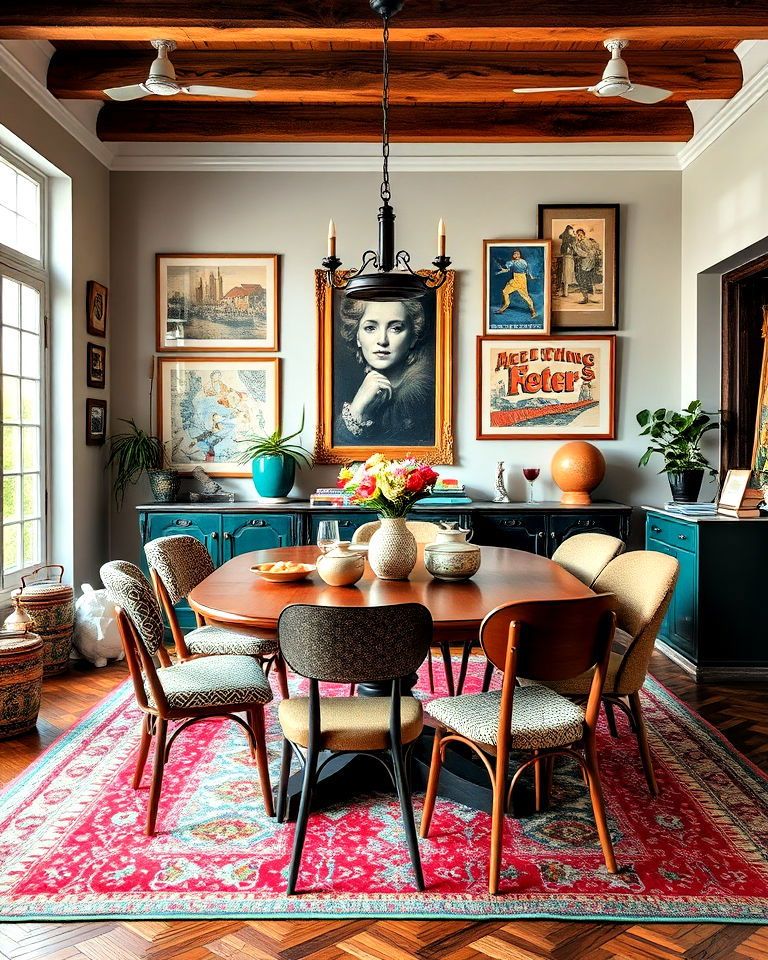
One of our favorite design tricks actually comes from the world of fashion. Known as the "third piece" principle, it holds that adding one unexpected element can transform a space from simple to beautifully curated. Picture a living room with a sofa and a coffee table; it's functional, but it may feel like something is missing. Introducing a third piece, such as a sculptural accent chair, a vintage stool, a statement lamp, or an oversized painting, instantly adds depth, balance, and personality.
The key is choosing something that contrasts in shape, texture, material, or color rather than perfectly matching everything else. These thoughtful, unexpected details give professionally designed homes their effortless style.

Tip #3: Prioritize Hardware
The jewelry of the home.
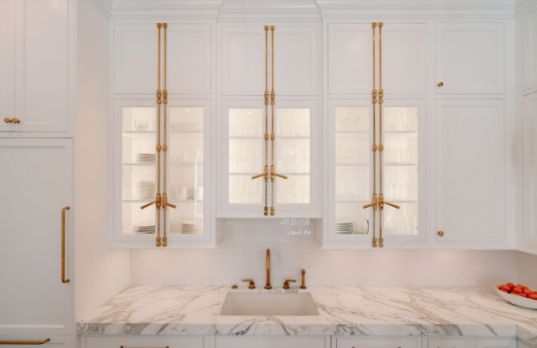
Cabinet hardware is often called the jewelry of the kitchen because it's the finishing touch that brings the entire design together. While it's often left until the end of a project, selecting hardware early helps it coordinate beautifully with your faucets, lighting, plumbing fixtures, and other finishes, creating a timeless, cohesive look. When choosing hardware, size and scale matter just as much as style. As a general rule, pulls should be about one-third the length of a cabinet door, while larger drawers can accommodate two pulls or a centered pull that's roughly half the drawer's width. Finish selection is equally important—earth-toned cabinetry pairs well with almost any finish, while darker cabinets are enhanced by polished nickel or brass that stands out rather than blends in. Thoughtfully chosen hardware not only completes your kitchen but also elevates its design with beauty and function.
Space Planning: Designing for the Way You Live
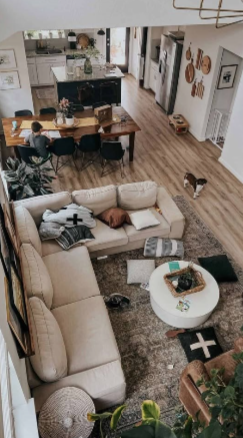
Beautiful design begins with thoughtful space planning. It's not just about selecting the right furniture—it's about arranging it to promote comfort, functionality, and effortless flow. Proper spacing between furnishings and clear walkways allow people to move naturally through a space, creating a room that feels balanced and inviting. Some of our favorite designer guidelines include leaving 16–18 inches between a sofa and a coffee table, allowing at least 36 inches of clearance around a dining table, and choosing rugs large enough so that at least the front legs of your furniture rest on them (or extending 24 inches beyond a dining table). Artwork is best hung with its center 57–60 inches above the floor, typically 6–8 inches above furniture, while dining light fixtures should hang 30–36 inches above the table. These simple measurements help ensure every room not only looks beautiful but also functions comfortably for everyday living.
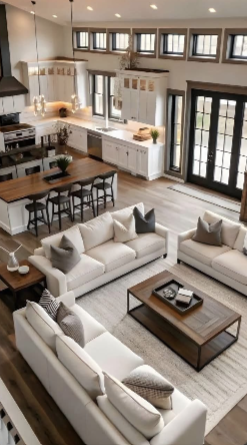
The Circle Effect: Softening a Space
Most homes are filled with straight lines and sharp angles—from walls and windows to cabinetry and furniture. One of the simplest design tricks is to introduce circles and curved shapes to soften those hard edges and create a more balanced, inviting space. This is known as the Circle Effect. Round mirrors, circular coffee tables, curved sofas, pendant lights, decorative bowls, and arched accents naturally draw the eye around a room, creating movement and visual flow. These softer shapes contrast with a space's clean lines, making it feel more relaxed, welcoming, and thoughtfully designed. It's a subtle detail, but one that can completely transform a room's feel.
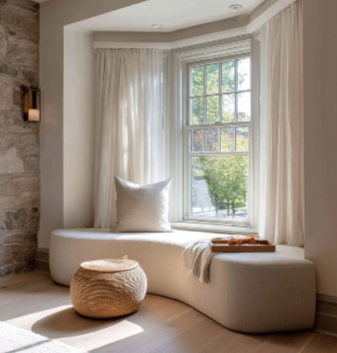
Furniture as Art: Designing with Statement Pieces
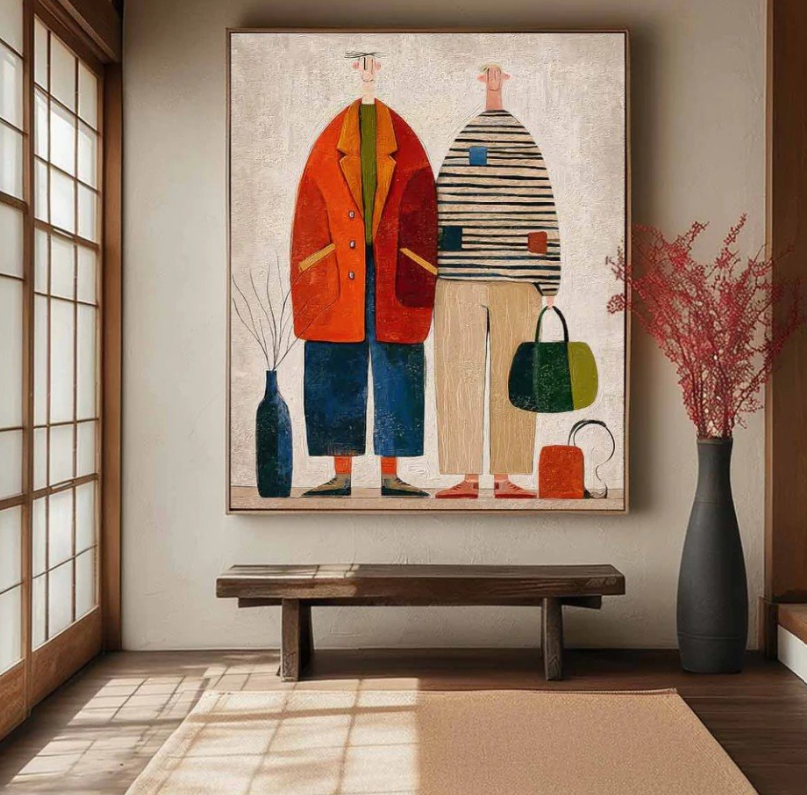
Furniture should do more than simply serve a purpose—it should tell a story. Rather than filling a room with pieces that simply blend in, designers often select one or two statement furnishings that double as works of art. A sculptural chair, a beautifully crafted dining table, or a uniquely shaped coffee table can instantly become a focal point while reflecting your personal style.
By treating furniture as functional art, each piece contributes to the overall character of the home. Investing in timeless, well-crafted furnishings creates spaces that feel collected, intentional, and uniquely yours—where every item is appreciated not only for what it does, but for the beauty it brings to the room.
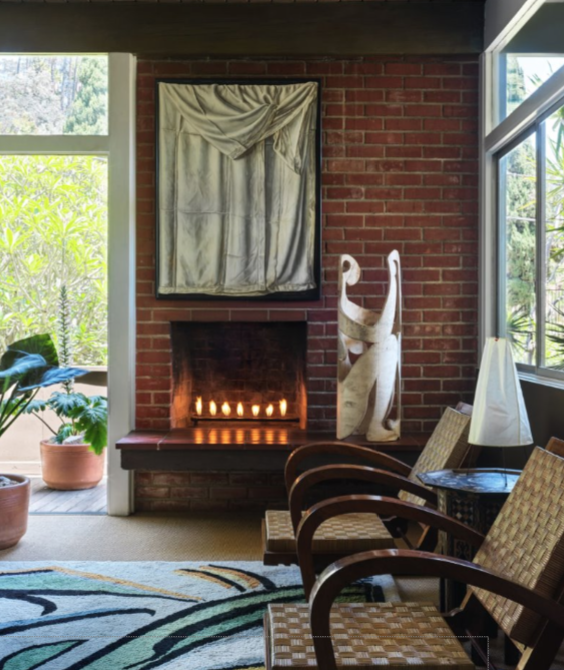
Layer Your Lighting: Skip the "Big Light"
One of the easiest ways to elevate your home is to rely less on the overhead "big light" and instead layer lighting throughout the room. Designers combine ambient, task, and accent lighting to create warmth, depth, and flexibility for every time of day. Table lamps, floor lamps, sconces, under-cabinet lighting, and picture lights work together to highlight architectural details, artwork, and beautiful textures while creating a soft, inviting atmosphere. Rather than depending on one bright ceiling fixture, use multiple light sources at varying heights to add dimension and mood. A well-lit room should feel comfortable, balanced, and welcoming—proving that great lighting isn't just about seeing a space; it's about experiencing it.
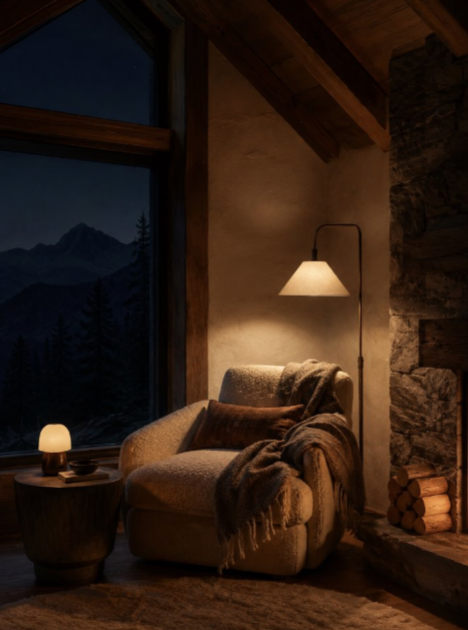
Great design isn't about following strict rules—it's about understanding the principles that make a space feel balanced, beautiful, and uniquely yours. From layering textures and lighting to incorporating statement furniture, thoughtful space planning, the "third piece" principle, and selecting the perfect finishing details, these designer tips work together to create homes that are both functional and inspiring. The best part? You don't have to renovate your entire home to make a meaningful impact. Sometimes, a new light fixture, a statement chair, updated hardware, or simply rearranging your furniture can completely transform how a space looks and feels.
At Talie Jane Interiors, we believe every home should reflect the people who live in it and enhance their everyday lives. Whether you're refreshing a single room or undertaking a full-scale remodel, our team is here to bring your vision to life with thoughtful design, timeless details, and a personalized approach. Here's to creating spaces that are not only beautiful but also feel like home.
Ready to create a home that feels thoughtfully curated and uniquely yours? Whether you're refreshing a single room or planning a full remodel, the Talie Jane Interiors team is here to guide you every step of the way. Visit our showroom or contact us today—we'd love to help bring your vision to life. Call 1-800-TALIEJANE or find us on Instagram @taliejane.
Amerock Hardware | Modern, Luxurious, Affordable Cabinet Hardware
Cabinet Hardware | Cabinet Knobs and Pulls | Kitchen Cabinet Hardware- Hardware Resources
https://deliciouskitchens.com/
https://www.homesandgardens.com/interior-design/texture-in-interior-design
Bar, M. & Neta, M. (2006). 'Humans prefer curved visual objects.'Psychological Science, 17(8), 645–648.
Vartanian, O. et al. (2013). 'Impact of contour on aesthetic judgmentsand approach-avoidance decisions in architecture.' PNAS,110(Supplement 2), 10446–10453.
Architectural Digest. (2024). '2024 Interior Design Trends: Curves AreHere to Stay.' architecturaldigest.com
Elle Decor. (2025). 'The Top Design Trends Dominating 2025, According toExperts.' elledecor.com
Kellert, S.R., Heerwagen, J., & Mador, M. (Eds.). (2008). Biophilic Design:The Theory, Science, and Practice of Bringing Buildings to Life. Wiley.
Lawson, B. (2001). The Language of Space. Architectural Press, Oxford.
Pile, J.F. (2005). A History of Interior Design (3rd ed.). Laurence KingPublishing.
Cooper Lighting — The Residential Contractor’s Guide to Layering Light
https://www.cooperlighting.com/global/resources/the-lighting-resource/residential-contractors-guide-to-layering-light
Harvard Health Publishing — Blue Light Has a Dark Side
https://www.health.harvard.edu/healthy-aging-and-longevity/blue-light-hasdark-side
Architectural Digest — Mood Lighting 101
https://www.architecturaldigest.com/story/mood-lighting-101