▸ Furniture

Before choosing the furnishing pieces for your space, make sure you declutter, discard, or donate anything that you no longer want or need. Incorporating a minimalistic design style helps bring about positivity and mental clarity by avoiding an environment that is overwhelming or dysfunctional.
A disorganized space can lead to high levels of stress and a sense of displacement in the home (Learn more about the psychological effects of clutter here). So, start with the small items and work your way up to the larger pieces, especially if decluttering and home organizing isn’t something you’re used to. Keep items you can repurpose in your new space, then make a list of items your missing and start shopping with minimalism in mind.
The furniture you bring into this area of the home can mimic living room furnishings, but should be more supportive and tailored to your body type to support any problem areas. Muscle pain and tension is a common symptom of stress, with back pain being one of the most common, especially for those who work physically demanding jobs, or even one where you are seated for long periods of time. Look into high quality pieces that have proper lumbar support, and can also be adjusted easily. This can improve posture, relieve tension on your bones and muscles, while being comfortable to help you unwind.
▸ Lighting & Sounds

If you’re space has windows, allow as much natural light in as possible. Look into light control blinds or curtains that allow you to control how much is filtered into your relaxation space, helping to make it darker for a recharging nap or brighter to do a little reading.
If there is limited or no natural lighting, buy yellow versus blue bulbs. Blue light can be harsh on the eyes, as well as keep the brain awake and alert compared to softer yellow light.
When doing extensive reading or writing, be sure to have ample light to prevent eye strain as well. If you work in a profession where you’re on a computer for long periods of time, consider designing your relaxation space as a screen free zone. Leaving electronic devices for other areas of the home limits blue light exposure and can help your mind unwind, and give your eyes a much-needed break.
Creating a relaxing ambiance can be as simple as incorporating soothing sounds into your space as well. Look into small fountains or an essential oil diffuser that have the calming sounds of water.
If you have an essential oil diffuser, diffuse your favorite scents and do some research into the benefits of different oils and pick the best fit for you. They can help with ailments such as muscle tension, headaches, or joint pain, or even anxiety and stress.
Or, if music helps you to de-stress, look into high quality sound systems or wireless speakers to listen to some of your favorite tunes as you relax. Download podcasts and meditation practices to promote positive mental health, and maybe learn about something new.
▸ Color Scheme

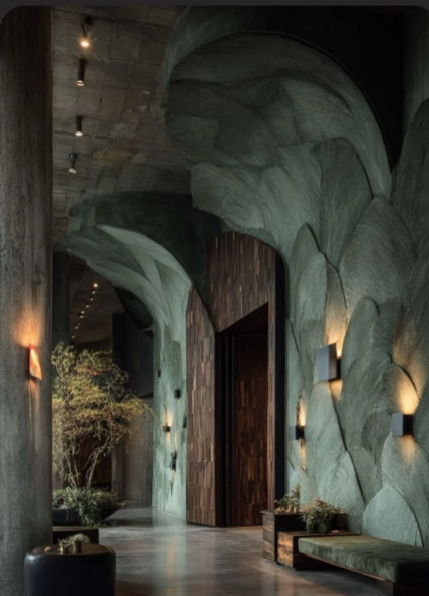
Neutrals and more subdued tones make for a more calming color scheme, so try to incorporate naturally sourced colors like browns, dark earthly greens, and light blues.
If your space is small or does not allow for ample natural lighting, opt for lighter hues to make the space feel less compact. If a room feels cluttered or too small, this can cause stress levels to increase, so make sure to introduce a color that brightens the space.
If you prefer darker tones, use darker blues that mimic oceanic tones and dark forest greens. Balance with white, brushed metals, and raw, unrefined high quality furnishings to further accent the earthly inspired color scheme.


.png)
.jpg)